

How to Build a Successful Custom Teamwear Collection From Scratch
Teamwear is one of the most reliable categories in sportswear — because teams do not buy once. They reorder every season, every new squad and every new intake. This guide walks you through building a custom teamwear collection from zero: product range, sport-specific fabrics, sizing, decoration, MOQs, sampling and manufacturing.
Most sportswear categories are built on trends. Teamwear is not. It is built on identity, repeat ordering and institutional loyalty — a school that buys 200 kits this year will need 200 more next year, plus replacements, plus a new warm-up range, plus a letterman jacket order for graduating students. That repeatability is what makes teamwear one of the most commercially stable product lines a brand can build.
But it is also one of the most operationally demanding. Teamwear orders arrive as rosters, not as individual purchases. Sizes are uneven, names and numbers must be correct on every single piece, and the whole order has to arrive before the first match — not after. A teamwear collection fails far more often in logistics and specification than in design.
This guide is written for brand owners, product developers, club managers and sourcing teams building a custom teamwear collection from scratch. It covers how to define your range, which fabrics work for which sports, how decoration changes the manufacturing process, how sizing and roster ordering work, and what to confirm with a manufacturer before you place a bulk order.
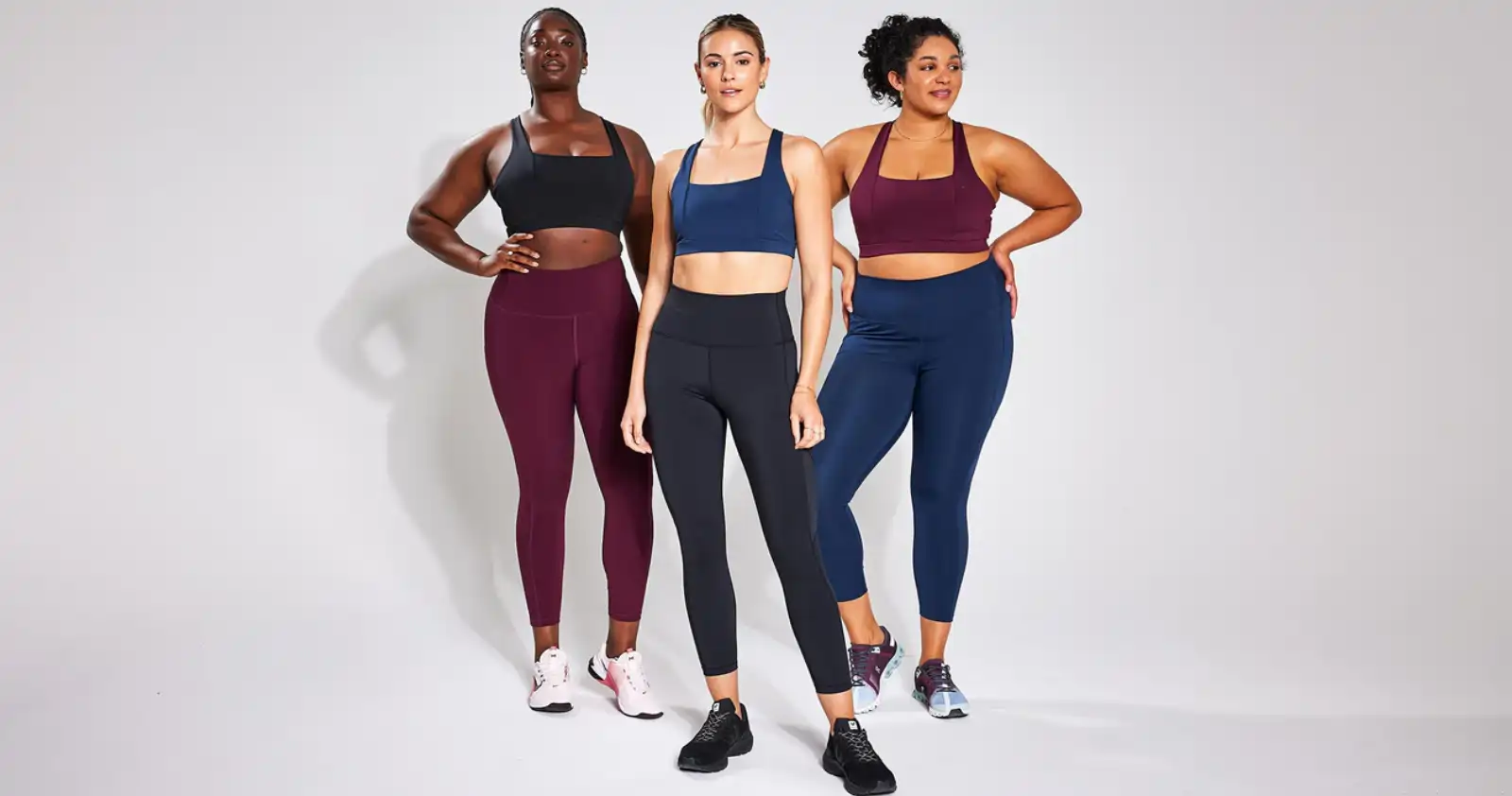
Quick Answer: What Makes a Teamwear Collection Work?
A successful custom teamwear collection starts with a defined sport and a defined customer — not with a catalogue of everything. Choose one or two sports, build three to six core styles around them, and make those styles reorderable season after season.
The technical foundation is straightforward: sport-appropriate fabric weight and stretch, a consistent size block across every style, decoration methods specified before sampling, and a manufacturer who can handle roster-based ordering with individual names, numbers and sizes.
The commercial foundation matters just as much. Teamwear sells in sets, not single pieces. If your jersey, shorts and warm-up top all fit differently, buyers lose confidence in the whole collection. Consistency is the product.
Teamwear is a repeat-order business. Your first collection is not the product — your first collection is the template that every future order will be built from. Build it so it can be repeated exactly.
Lock your fabric, your size block and your colour references in writing before bulk production. Every future reorder depends on that record.
What Is Custom Teamwear — and Who Buys It?
Custom teamwear is performance or club apparel manufactured to a specific organisation's identity: colours, crest, sponsor marks, player names and squad numbers. Unlike retail sportswear, it is not designed to appeal to a general audience — it is designed to belong to one group.
That changes the entire production logic. A retail brand forecasts demand and produces inventory. A teamwear supplier produces against a confirmed roster, where every line item is a specific size, a specific name and a specific number.
Who typically orders custom teamwear?
- Schools and colleges ordering kits, PE uniforms, tracksuits and letterman jackets for teams and graduating classes.
- Sports clubs and academies needing home and away kits, training wear and goalkeeper sets each season.
- Gyms and fitness studios wanting branded apparel for staff, members and competition teams.
- Corporate and community teams ordering matching kits for tournaments and leagues.
- Activewear and streetwear brands adding a teamwear line to reach institutional buyers.
- Distributors and resellers supplying local leagues and clubs under their own label.
Each buyer has a different ordering cycle. Schools order annually. Clubs order pre-season. Corporate teams order once for an event. Understanding that cycle is what determines when your collection needs to be ready.
The Core Product Range in a Teamwear Collection
Match Jerseys
The centrepiece. Sport-specific cut, sublimated design, player names and numbers on the back.
Shorts & Skorts
Sold as a set with the jersey. Must share the same size block and colour references.
Training Wear
Training tees, bibs and drill tops. Higher volume, simpler decoration, lower price point.
Tracksuits
Jacket and pant sets for travel and warm-ups. Embroidery and panel taping territory.
Letterman Jackets
Varsity-style jackets for schools and colleges. Tackle twill letters, chenille patches and leather sleeves.
Sport-Specific Gear
BJJ gis, rugby jerseys, hockey kits, singlets and goalkeeper sets — each with its own construction rules.
Accessories
Socks, caps, beanies, gym sacks and water bottles. Low cost, high margin, strong branding surface.
Support Layers
Base layers, sports bras and compression pieces for female teams and dual-gender programmes.

Building Your Collection: Eight Steps From Zero to Launch
These steps are sequential. Skipping one usually means going back to it later, at higher cost.
Define Your Sport and Your Buyer
Pick one primary sport and one secondary sport. Football, basketball, rugby, running, martial arts and school athletics all have completely different construction requirements — a rugby jersey and a basketball jersey share almost nothing except the word "jersey". Choosing a focus determines your fabrics, your cuts and your decoration methods. Then define who buys: a school board, a club coach, a league distributor or a parent. Each one has a different budget, timeline and approval process.
Build a Product Matrix, Not a Wish List
Map your range as a grid: styles across the top, sizes and colourways down the side. This exposes two things immediately — how many SKUs you are actually creating, and where your size block will be shared. A collection with five styles and six sizes is 30 base SKUs before colourways. Teamwear SKUs multiply quickly, so plan deliberately.
Choose Fabrics by Sport, Not by Feel
A fabric that feels premium on a swatch card may be the wrong choice for the sport. Rugby needs tear resistance. Basketball needs breathability. BJJ needs abrasion resistance. School tracksuits need warmth and embroidery stability. Specify GSM, fibre blend, stretch direction and finish for every style before you sample.
Lock Your Size Block and Grading
This is the single most underrated decision in teamwear. Your jersey, short and training top should all use the same size block wherever possible. When a player is a "Medium" in one style and a "Large" in another, the club loses confidence in the entire collection. Decide who owns the size chart, how grading scales across the range, and whether extended and youth sizing are available.
Specify Decoration Before You Sample
Decoration is not an add-on — it changes the manufacturing process. Sublimation requires polyester and is printed before cutting. Embroidery is stitched after construction and needs a stable, non-stretch backing. Tackle twill letters are cut and sewn onto jackets. DTF transfers are applied after the garment is made. Decide the method for every branding element, including the crest, sponsor marks, sleeve patches, names and numbers.
Choose a Manufacturer Who Understands Roster Orders
Teamwear manufacturing is different from retail manufacturing. A supplier who only produces bulk single-size orders will struggle when you send a spreadsheet with 22 different names, 22 numbers and 22 sizes. Ask specifically how they handle roster-based ordering, individual name and number application, and per-piece verification before packing.
Sample, Wear-Test and Approve
Order pre-production samples in at least three sizes — small, mid and large — not just one. Wear-test them in the actual sport. Check the print after washing, the embroidery after stretching, the fit after movement and the colour against your reference. Approve in writing, and keep the approved sample as your golden reference for every future reorder.
Set Up Reordering Before You Launch
The moment your first order ships, your ability to repeat it exactly becomes your most valuable asset. Keep a specification file for every style: fabric reference, GSM, colour codes, size chart, decoration placement, thread colours and packaging. When a school reorders two years later, you should be able to produce an identical piece without a single new sample.
Fabrics by Sport: What to Specify and Why
Teamwear spans a much wider fabric range than any single retail category. Use this as a starting point for specification — then confirm the exact construction with your manufacturer.
| Sport / Style | Typical Fabric | GSM Range | Why It Works |
|---|---|---|---|
| Football / soccer kit | Polyester interlock or pique | 150–180 | Lightweight, sublimation-ready, fast drying. |
| Basketball jersey | Polyester mesh or interlock | 160–200 | High breathability, structured enough for numbers. |
| Rugby jersey | Polyester-elastane jersey knit | 220–280 | Tear resistance, stretch recovery under contact. |
| Running / athletics | Polyester-spandex | 150–190 | Four-way stretch, minimal weight, wicking finish. |
| Baseball / softball | Polyester double knit | 180–220 | Holds shape, stable button placket, durable. |
| Volleyball | Polyester-spandex | 170–200 | Fitted silhouette, stretch, opacity under lights. |
| BJJ gi | Pearl weave cotton / ripstop | 450–550 | Abrasion resistance, rigidity, gi-specific construction. |
| Tracksuit / warm-up | Polyester tricot or poly-fleece | 220–300 | Warmth, shape retention, embroidery-friendly. |
| Letterman jacket | Wool/nylon melton with leather sleeves | 400–600 | Traditional varsity look, stable for tackle twill. |
Decoration: The Method Determines the Product
In teamwear, decoration is not a finishing touch — it is the reason the product exists. A plain jersey is a blank garment. A jersey with a crest, a sponsor and a player's name is a uniform. Choosing the right method for each element is one of the most consequential decisions in the whole process.
Sublimation printing
The default method for match jerseys and all-over teamwear designs. The ink is printed onto transfer paper and heat-bonded into polyester fibres, so the colour becomes part of the fabric rather than sitting on top of it. It does not crack, peel or fade, and it stretches with the garment. It works only on polyester and performs best on white or light-coloured bases.
For highly detailed logos, gradient graphics or branding that needs to sit on a wider range of fabrics, direct-to-film (DTF) printing is a practical alternative. It handles fine detail and full colour well, and is often used for names, numbers and smaller brand marks.
Embroidery
The standard for crests, club badges, sponsor logos on tracksuits, polos and caps. Embroidery reads as premium and survives industrial washing far better than printed marks on high-wear garments. The trade-off is that it needs a stable, non-stretch backing — embroidering directly onto a lightweight stretch jersey will pucker the fabric. This is why crests are usually placed on a stable panel or stabilised from behind.
Tackle twill and chenille
The traditional varsity method. Letters and numbers are cut from coloured fabric and stitched onto the garment, often with a chenille patch for the main letter. This is the defining decoration for custom letterman jackets for schools and teams, and it is what makes a varsity jacket feel authentic rather than printed.
Screen printing
Cost-effective for simple graphics and single-colour marks, especially on cotton and poly-cotton training wear. On high-stretch performance fabrics, standard plastisol ink is not appropriate because it is rigid and cracks when the garment moves. Water-based ink is more flexible and is the better choice for performance teamwear.
Reflective and specialty detailing
Reflective trim is increasingly common on running teamwear, cycling kits and evening training wear. Reflective tape manufacturing can be applied as seams, side stripes or accent panels — but the tape must be stretch-compatible so it moves with the fabric instead of cracking away from it.
For a textured, premium look on solid-colour training wear, 3D embossing creates raised patterns directly on the fabric surface. It is a subtle detailing option that works well when the design itself is minimal.
| Method | Best For | Works Best On | Durability |
|---|---|---|---|
| Sublimation | All-over jersey designs, patterns, gradients | Polyester, light base colours | Permanent — no cracking or peeling |
| Embroidery | Crests, badges, logos on jackets and polos | Stable knits, fleece, woven, melton | Excellent — premium appearance |
| Tackle twill / chenille | Varsity letters, numbers, jacket fronts | Melton wool, fleece, heavy knits | Excellent — traditional look |
| DTF transfer | Fine detail, names, numbers, small logos | Wide range including blends | Good — flexible on stretch fabrics |
| Screen print | Simple graphics, bulk training wear | Cotton, poly-cotton | Good on stable fabrics, poor on stretch |
| Heat transfer vinyl | Roster names and numbers, one-off pieces | Most fabrics | Good — fast for individual orders |
Sizing and Roster Ordering: Where Teamwear Gets Complicated
Retail sizing is about averages. Teamwear sizing is about individuals. A 22-player squad might need four Small, seven Medium, eight Large and three XL — and every one of those pieces must carry the correct name and number. That is a fundamentally different production problem.
Build one size block and reuse it
Wherever it is technically possible, your jersey, short and training top should share the same size block. This keeps the buying experience simple for the club and reduces your pattern development cost. Where a style genuinely needs a different cut — a fitted women's jersey versus a standard unisex jersey — treat it as a separate block with its own size chart.
Always offer youth sizing
School and junior club orders are a large share of teamwear volume. If you cannot supply youth sizes, you exclude a significant portion of the market. Youth sizing also tends to have different proportions, not just smaller measurements — a scaled-down adult pattern does not fit a child properly.
Handle roster data as data
Names and numbers should never be handled by typing into a chat message. Use a structured roster sheet with columns for size, name and number, and confirm that your manufacturer applies and verifies each piece individually. A misspelled name or a duplicated number is a failure the customer will remember for years.
MOQs, Pricing and Lead Times
Teamwear economics are different from retail economics. The unit cost is usually higher because orders are smaller and more customised, but the repeat rate is far higher — and repeat orders carry no design or development cost at all.
Minimum order quantities
MOQs are typically calculated per design, per colourway or per fabric. A sublimated jersey can often run at a lower MOQ because there is no tooling involved — the design is printed, not moulded. Embroidery programmes need a digitised file, which is a one-time cost rather than a volume threshold. Tackle twill and chenille lettering require cutting dies or patterns that increase the per-style minimum.
Where the cost actually sits
- Fabric and GSM — heavier and more technical fabrics raise the base cost directly.
- Decoration complexity — more colours, more placements and more mixed methods all add cost.
- Roster personalisation — individual names and numbers add labour per piece.
- Tooling — embroidery digitising, chenille dies and custom moulds are one-time costs.
- Packaging — individual polybags, hangtags and team-labelled boxes are separate line items.
Lead times
Teamwear has a hard deadline: the first match. Build your timeline backwards from that date, not forwards from the order date. Development, sampling, sample approval, bulk production, roster personalisation, quality control, packing and shipping all take time — and every one of them can slip. Place your order early enough to absorb one delay without missing the season.
Common Mistakes When Building a Teamwear Collection
- Trying to serve every sport at once. Different sports need different fabrics, cuts and construction. A generic "teamwear" range that does everything usually does nothing well.
- Inconsistent sizing across styles. If the jersey and the short fit differently at the same labelled size, clubs stop trusting the collection.
- Choosing decoration after sampling. Decoration changes construction, placement and fabric requirements. Specify it first.
- Ignoring youth sizing. Schools and junior clubs are a large part of the market and need properly graded youth patterns.
- No approved golden sample. Without a signed-off reference piece, reorders drift — colours shift, fits change and the customer notices.
- Ordering too late. Teamwear has an immovable deadline. Late orders force rushed production, which is where quality failures happen.
- Forgetting packaging and labelling. Woven labels, size tags, care labels, hangtags and team-labelled bags are part of the delivered product.
- Not documenting the specification. If you cannot repeat the order exactly, you do not have a collection — you have a one-off project.
Practical Examples: Three Ways Brands Build Teamwear
A New Brand Starting With School Teamwear
A founder with a background in school sports wants to supply local schools with kits and PE uniforms. The priorities are low minimums, youth sizing, durable sublimated jerseys and a fast turnaround before the season starts. The brand launches with three styles — a match jersey, a PE tee and a tracksuit — built on one shared size block, offered in youth and adult sizing. They sample in three sizes, approve a golden sample and document every specification before the first school order.
A Club Supplier Adding Letterman Jackets
An established club supplier already sells jerseys and training wear and wants to add a higher-margin statement piece. They develop a varsity-style custom letterman jacket with wool-blend melton body, leather sleeves, chenille letters and tackle twill embroidery. Because the tooling and construction are more complex, they work with a manufacturer experienced in school and team jacket programmes, and plan for a longer lead time around graduation season.
A Combat Sports Brand Building a Gi Line
A martial arts brand wants to supply gyms and academies with branded gis alongside their existing apparel. The requirements are completely different from a jersey — heavy pearl weave cotton, ripstop reinforcement panels, gi-specific sizing and patch-based branding rather than sublimation. They source custom BJJ gis for brands, gyms and teams from a manufacturer who understands abrasion resistance and gi construction, and keep the collection separate from their performance line so each product gets the right specification.
Where Habit Fit Sports Fits Into Teamwear Production
Habit Fit Sports manufactures custom sportswear for activewear brands, private-label businesses, gyms, schools and teams. Production runs out of Sialkot, Pakistan, and covers the full process: design support, fabric selection, sizing, decoration, sampling, private-label branding and packing.
For teamwear specifically, the company produces custom letterman jackets for schools and teams and custom BJJ gis for brands, gyms and teams, alongside performance apparel such as custom sports bras and custom performance leggings and yoga pants.
On the decoration side, the company offers direct-to-film (DTF) printing for detailed logos and branding, reflective tape manufacturing for visibility and design accents, and 3D embossing for textured fabric finishes.
If you are developing a teamwear collection, you can review how the production process works, read the detailed guide on custom sports bras for activewear brands, or contact the Habit Fit Sports team to discuss your sport, fabric requirements and decoration needs. The full range of sportswear manufacturing services is listed on the Habit Fit Sports homepage.
Frequently Asked Questions About Custom Teamwear
What is the best fabric for custom teamwear?
It depends entirely on the sport. Polyester interlock and pique (150–180 GSM) are standard for football kits because they are light and sublimation-friendly. Polyester mesh (160–200 GSM) works for basketball. Rugby jerseys need heavier polyester-elastane (220–280 GSM) for tear resistance. BJJ gis use heavy pearl weave cotton (450–550 GSM). There is no single "best" teamwear fabric — only the right fabric for the sport and the construction.
How many styles should a first teamwear collection include?
Three to six core styles is the practical starting point: typically a match jersey, a short, a training tee, a tracksuit and one statement piece such as a letterman jacket. The priority is consistency across the range rather than breadth. A small collection that fits identically across every style will outsell a large collection where sizes vary between products.
What decoration method is best for teamwear jerseys?
Sublimation is the standard for match jerseys because the ink bonds into polyester fibres and stretches with the fabric without cracking or peeling. For crests and sponsor marks on more stable garments like tracksuits and polos, embroidery is the better choice. For fine detail and roster names on mixed fabrics, DTF transfers work well.
How do you handle individual player names and numbers?
Roster personalisation should be handled as structured data, not informal messages. Provide a roster sheet listing size, name and number for each piece, and confirm that your manufacturer applies and verifies each item individually before packing. Per-piece verification is the difference between a clean delivery and a season-ruining error.
Should teamwear collections include youth sizing?
Yes, if you are targeting schools, junior clubs or academies. Youth sizing is a substantial share of teamwear volume, and youth patterns are not simply scaled-down adult patterns — they have different proportions. Offering properly graded youth sizes expands your addressable market significantly.
What is a reasonable minimum order quantity for teamwear?
MOQs vary by manufacturer and by construction. Sublimated styles without tooling generally run at lower minimums because nothing needs to be moulded or die-cut. Embroidery requires a one-time digitising cost rather than a high volume threshold. Tackle twill, chenille and custom-moulded pieces carry higher per-style minimums. Always clarify whether MOQ is calculated per design, per colourway or per fabric.
How do you keep reorders consistent with the original order?
Keep a written specification file for every style: fabric reference and GSM, colour codes, size chart, decoration placement, thread colours, trims and packaging. Retain a signed-off golden sample from the approved production run. When a club reorders a season later, those records let the manufacturer reproduce the piece exactly without a new sampling round.
Why are so many sportswear brands moving production to Pakistan?
Pakistan has developed a deep sportswear manufacturing base, particularly in Sialkot, with established expertise in performance knitwear, sublimation, embroidery and teamwear construction. The combination of technical capability, competitive pricing and willingness to work with smaller and mid-sized brands has made it an increasingly attractive sourcing destination. The wider trend is covered in this article on why Nike and Adidas are quietly moving their manufacturing to Pakistan.
What to Remember About Building a Teamwear Collection
A custom teamwear collection is a system, not a set of products. The sport determines the fabric. The fabric determines the decoration options. The decoration determines the construction. The size block ties every style together. And the specification file is what makes the whole thing repeatable.
Start narrow. Pick one or two sports, build three to six consistent styles, specify decoration before sampling, approve a golden sample in multiple sizes, and document everything. Then let the repeat orders do the commercial work — because in teamwear, the second order is worth more than the first.
Habit Fit Sports manufactures custom teamwear, letterman jackets, BJJ gis and performance apparel for brands, gyms, schools and teams — giving you a single source for a complete collection instead of multiple manufacturing relationships.
Ready to Build Your Custom Teamwear Collection?
Whether you are launching a new teamwear brand or expanding an existing range, Habit Fit Sports can help you move from concept to finished, roster-ready product.
Start Your Teamwear Project See How Production WorksHave a specific sport or specification in mind? Get in touch to discuss fabric, sizing, decoration and minimum order quantities.