
The Golf Polo Revolution: Where Performance Meets Precision
Let’s be honest, when most people hear “golf polo shirt,” they picture something traditional, tucked in, and maybe a bit old-school. But that image is completely.
Today’s golf polos are no longer just about dress code or etiquette. They’ve become a science, a blend of textile innovation, design intelligence, and lifestyle adaptability. Whether you’re walking onto a course in Dubai, Dublin, or Dallas, modern polo has evolved into something much smarter.
So, what changed? And more importantly, what should you look for if you actually want performance, not just a logo?
Let’s break it down.
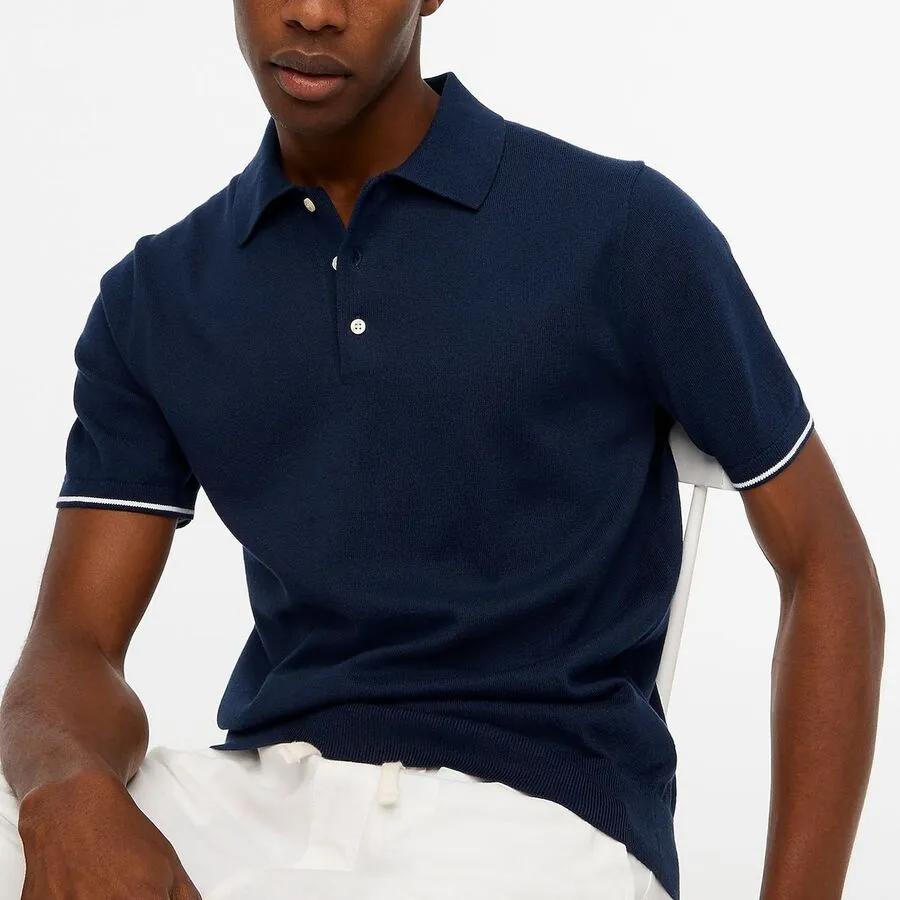
Golf Has Changed And So Has Its Uniform
Golf isn’t just for the elite anymore. The sport’s demographic has shifted to younger players, more active athletes, and people who expect their clothing to work as hard as they do.
The old cotton polos that clung to sweat and lost shape after a few rounds? Those days are over.
Enter the new generation of moisture-wicking, breathable golf polo shirts, designed with poly-spandex or micro-piqué blends that stretch, dry fast, and hold their form under pressure.
Brands are leaning heavily into performance tech. You’ll now find polos featuring:
- UV protection (UPF 50+ for long play hours)
- Anti-odor coatings (keep you dry and confident even through back-to-back rounds)
- Laser-cut ventilation in high-sweat zones
- Taped seams for reduced friction
It’s not just sportswear anymore – it’s technical apparel engineered for motion.
Why the Fabric Matters More Than the Logo
If you’ve ever played 18 holes on a warm day, you know the shirt you wear can make or break your comfort.
That’s why the most respected golf apparel manufacturers are shifting from traditional cotton to lightweight polyester microfibers that balance airflow with structure.
The real game changer, though, is spandex-infused polyester – usually a 92/8 or 90/10 blend.
That tiny amount of spandex gives the shirt flexibility, shape retention, and wrinkle resistance that pure polyester lacks.
From a manufacturing point of view, this evolution isn’t just aesthetic – it’s about longevity and performance. These fabrics:
- Resist UV degradation (your color doesn’t fade fast)
- Stay smooth wash after wash
- Provide four-way stretch for a full swing range
So while luxury brands may still sell on status, serious golfers are buying on fabric science.
The Fit: Freedom Without Flaws
Here’s the truth – a golf polo shirt is more than a uniform; it’s part of your swing.
Too tight, and your shoulders feel restricted. Too loose, and the shirt catches the wind like a sail. That’s why the modern athletic fit (slightly tapered but flexible) has become the gold standard.
Designers are now integrating ergonomic seams that follow body movement – shoulders slightly extended, hems curved, and collars reinforced to stay sharp even after long rounds.
And because golf is now played across diverse climates, you’ll find regional variations too:
- Europe prefers midweight pique blends — breathable but structured.
- The US and Australia favor lighter microfiber knits with UV resistance.
- Asian markets are moving toward slim-fit, cooling fabric styles for tropical weather.
Every market is fine-tuning fit and feel – proof that the golf polo has officially entered the performance wear era.
Performance Meets Sustainability
Now here’s where things get interesting – sustainability has quietly become golfwear’s biggest innovation zone.
Top-tier manufacturers in Sialkot, Pakistan, and Portugal are experimenting with recycled polyester yarns, dope-dyed fabrics, and waterless printing techniques.
Why? Because even athletes are beginning to care about what their clothes are made from, not just how they look.
And it’s not just eco-talk. The shift toward recycled PET fabrics is cutting production waste by up to 40% while improving durability. The result?
A cleaner footprint and a shirt that lasts twice as long as traditional cotton.
Sustainability is no longer a marketing gimmick; it’s a performance advantage.
Design Is Subtle, But Powerful
The new golf aesthetic is minimal, technical, and bold in simplicity.
Gone are the loud stripes and oversized logos. In their place: solid tones, laser-cut collars, and tonal heat-transfer logos that keep focus on form, not flash.
We’re also seeing a rise in crossover styling – golf polos that look equally sharp at brunch, the office, or post-game drinks.
This shift is intentional. Players no longer want a shirt they wear only on the course; they want smart versatility.
That’s why many custom polo shirt manufacturers now offer hybrid golf polos: half-sport, half-luxury – the kind you can wear from the fairway to a meeting without missing a beat.
The Technology Behind Comfort
It’s worth noting that today’s golf polo shirts are a quiet tech marvel.
Beyond design and fit, manufacturers have started integrating real innovation in finishing processes:
- Anti-roll collar tapes keep their shape intact even in humidity.
- Mesh side panels regulate body temperature.
- Quick-dry hydrophobic coatings repel sweat at the fiber level.
- Sublimated prints maintain design integrity without cracking or fading.
And yes, even the stitching has evolved.
Most high-end polos now use flatlock or bonded seams – smoother, lighter, and more comfortable over long hours.
This isn’t just tailoring – it’s engineering for endurance.
What to Look for in a Quality Golf Polo
Let’s make it simple – here’s what separates an average polo from a professional-grade one:
✅ Fabric composition: 90–95% polyester with spandex stretch.
✅ Moisture control: Hydrophobic or quick-dry coating.
✅ UV resistance: UPF 30–50+ protection.
✅ Seam quality: Flatlock or taped seams for comfort.
✅ Collar durability: Reinforced or self-fabric design that holds shape.
✅ Weight balance: Light enough for breathability, structured enough for sharp drape.
When these align, you don’t just get a shirt – you get an investment in performance.