
I’ve Been Manufacturing Soccer Uniforms for Over 10+ Years – Here’s What Most People Don’t Know About Fabrics
When players step onto the pitch, all eyes are on the game, the goals, and the glory. But behind every perfect pass and winning shot, there’s something silent yet powerful shaping performance: the fabric of their uniforms.
For the past decade, I’ve been at the heart of this craft – working as a soccer uniform manufacturer in Sialkot, Pakistan, producing gear for teams around the world. And in those years, I’ve learned one truth:
Most people – even coaches, athletes, and club owners don’t really understand fabrics.
The Secret Power of Fabric in Soccer Uniforms
When people think of a soccer uniform, they imagine colors, logos, and team pride. But what they often miss is how fabric choice directly affects:
- Performance: Does the jersey wick away sweat, or does it cling like a wet towel?
- Durability: Can it survive slide tackles, weekly washes, and months of play?
- Comfort: Will players feel light and free, or heavy and restricted?
- Identity: Does the uniform look professional, or does it fade after a few games?
As a custom soccer uniforms manufacturer, I’ve seen entire games won or lost by these invisible details. A jersey that breathes better can literally give a team the edge in extra time.
The Evolution of Soccer Fabrics: From Cotton to Cutting-Edge
Not too long ago, teams wore cotton jerseys. They were heavy, soaked up sweat, and stayed wet. Imagine running 90 minutes in a soaked t-shirt — that was the reality.
Then came polyester, the game changer. Suddenly, jerseys became lighter, faster drying, and more durable. But even polyester had levels.
Today, the world of fabrics is exploding with sublimation-ready polyester blends, mesh panels, and moisture-wicking technologies. Uniforms aren’t just clothes anymore – they’re performance tools.
As a soccer uniform supplier, I’ve seen clubs upgrade from old school materials to modern fabrics, and the difference is night and day.
What Most People Don’t Know About Soccer Fabrics
Let’s break down a few insider truths I’ve learned from years in manufacturing:
1. Not All Polyester is Equal
Most assume “polyester” is one standard fabric. Wrong. There are:
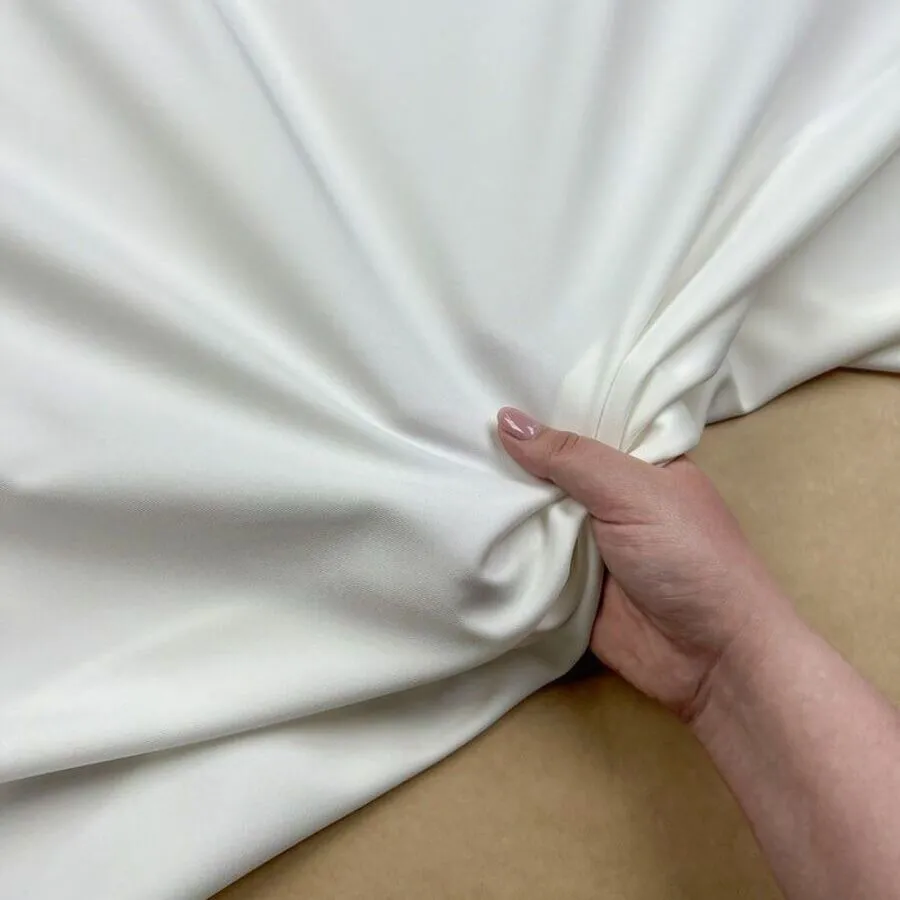
- Microfiber polyester: Ultra-light, soft, used in high-end kits.
- Mesh polyester: Designed for ventilation zones.
- Brushed polyester: Slightly heavier, but durable and comfortable.
The type of polyester can make a cheap jersey feel like plastic — or a professional one feels like second skin.
2. Moisture-Wicking is Science, Not Marketing
Every manufacturer claims their fabric is “moisture-wicking.” But the truth? Many don’t pass the test.
Real wicking fabrics have capillary structures that pull sweat from the skin to the fabric’s outer surface, where it evaporates faster.
If your players complain about feeling heavy or overheated, chances are the fabric isn’t doing its job.
3. Weight Matters - But Balance is Key
- Too light → Jersey feels premium but may tear quickly.
- Too heavy → Durable, but players feel slower.
The sweet spot? Fabrics between 140–180 GSM (grams per square meter). It’s the balance of performance and durability.
4. Colors & Printing Depend on Fabric Quality
Ever seen a uniform fade after a few washes? That’s not just bad ink — it’s bad fabric.
Sublimation printing (the gold standard for custom soccer uniforms) requires high-quality polyester that absorbs and locks in dye. Cheap polyester = faded logos and dull team colors.
5. Stretch Makes or Breaks Comfort
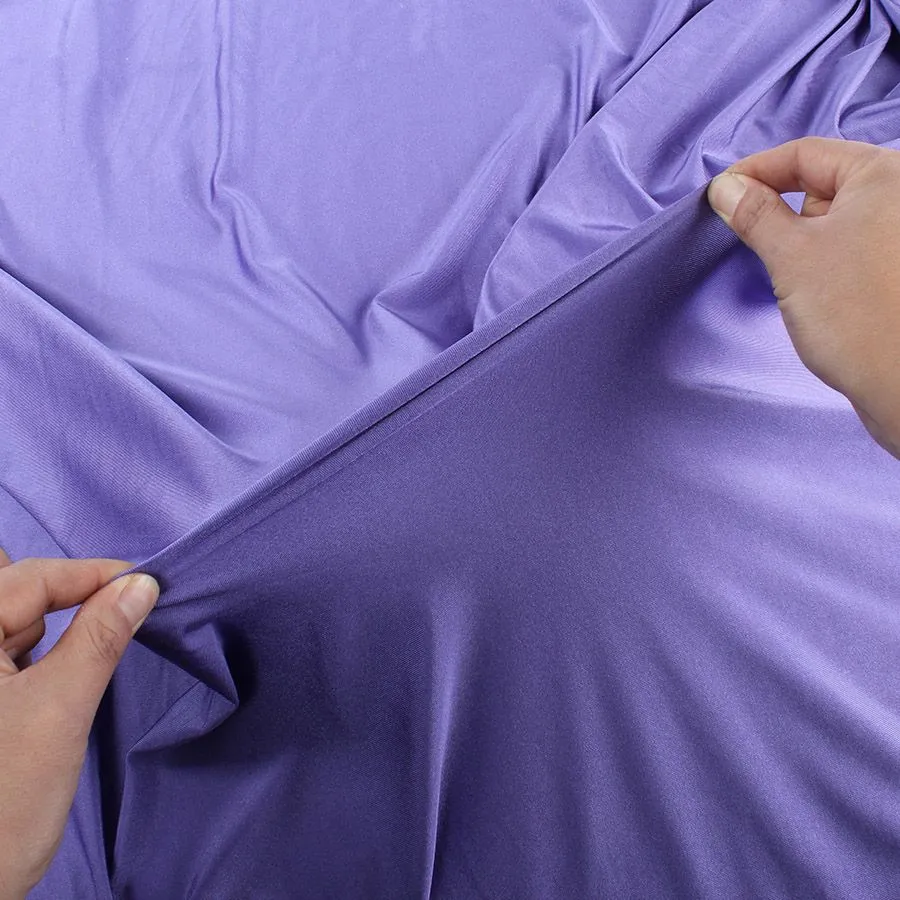
Soccer is a game of movement. A good fabric has 4-way stretch, meaning it moves with the player in every direction. No pulling, no tearing, no restrictions.
6. Sustainability is the Next Game-Changer
Modern clubs, especially in Europe and the U.S., are demanding eco-friendly soccer uniforms – made from recycled polyester (rPET).
It’s not just about going green. Sustainable fabrics are lighter, just as durable, and give clubs a powerful story to tell their fans.
Real Talk: Why Teams Choose the Wrong Fabrics
Here’s the mistake most clubs make: they focus only on price.
Yes, budget matters – but cutting corners on fabric always backfires.
- Cheap polyester → jerseys get hot, itchy, and rip quickly.
- Wrong GSM → too heavy for summer or too light for rough play.
- Poor sublimation base → team colors fade in weeks.
As a soccer uniform manufacturer in Pakistan, I’ve worked with both small youth academies and professional clubs. The ones who invest in quality fabrics always save money in the long run – fewer replacements, happier players, and stronger brand image.
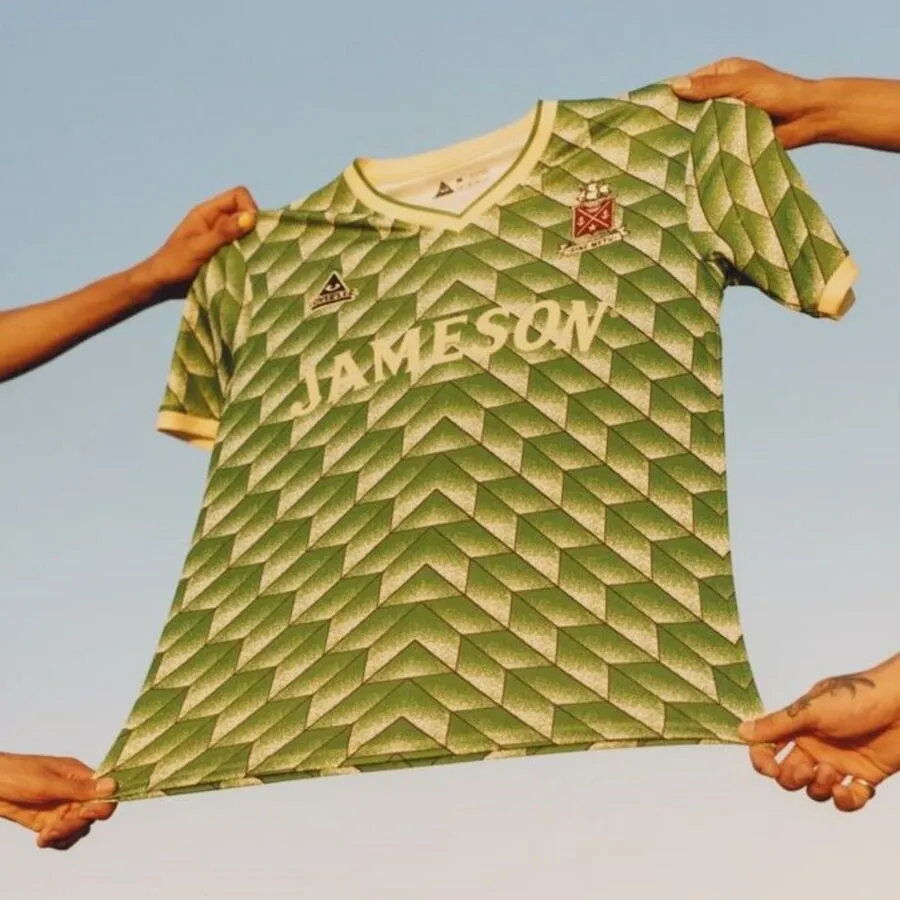
The Future of Soccer Uniform Fabrics
Looking ahead, here’s where fabric technology is going:
- Smart fabrics: Jerseys that track player performance.
- Recycled materials: 100% eco-friendly uniforms.
- Hybrid blends: Mixing polyester with spandex for ultimate comfort.
- Custom textures: Jerseys engineered for specific climates – breathable for summer, thermal for winter.
At Habit Fit Sports in Sialkot, we’re already experimenting with advanced sublimation polyester blends and sustainable rPET fabrics. The goal? To give clubs uniforms that aren’t just gear, but a competitive edge.
Final Word
For most people, a soccer uniform is just a jersey. For me, after 10+ years in manufacturing, I see it as a technology platform.
The right fabric can boost performance, protect players, and showcase team pride. The wrong one? It can ruin the experience completely.
So next time you look at a uniform, don’t just admire the colors. Ask yourself:
What fabric is powering this team?
And if you’re a club, academy, or retailer searching for a trusted custom soccer uniform manufacturer in Pakistan, remember this:
It’s not just about making jerseys. It’s about making performance-driven fabrics that win games.