
Can Your Brand Cash In on Hoodie Demand with Small Batches?
Hoodies have evolved from cozy basics to must‑have apparel across demographics and styles — from streetwear and athleisure to fashion statements. This makes them one of the most consistently selling items in apparel today. But for startups and small brands, the question isn’t just whether hoodies sell — it’s how to profitably launch them without large inventory risks.
Partnering with a low MOQ hoodie manufacturer for streetwear & activewear brands lets you produce trends in small batches, test the market, and adapt faster than competitors. With global market data backing demand and cultural shifts driving sales, hoodies remain a strategic product to build your brand on.
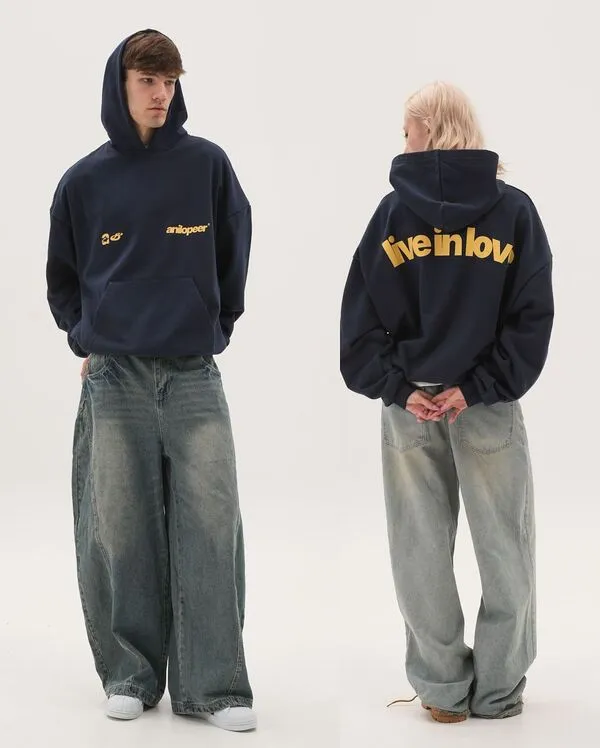
The Hoodie Demand Story — Data Speaks Louder Than Opinions
The global hoodies market is strong and growing. Reports show that the market size is in the tens of billions of dollars, with projections continuing upward through the decade. Although exact figures vary by source, steady compound annual growth rates across multiple forecasts signal reliable demand for years to come.
- Analysts estimate strong growth through at least 2032–2035 as comfort apparel becomes mainstream.
- Casual and athleisure wear — including hoodies — is among consumer favorites, especially in North America, Europe, and Asia‑Pacific.
- Consumer preferences are shifting, and buying patterns show year‑round purchases as hoodies become staple wardrobe items, not just winter gear.
This data isn’t hype — it reflects real consumer behavior and macro trends.
Why Hoodies Are More Than “Just Warm Clothing”
Hoodies now serve multiple functions:
1. Everyday Comfort + Fashion
Today’s consumers — from teens to adults — choose hoodies for casual wear, travel, and daily layering. With flexible work cultures and athleisure lifestyles, hoodies have transcended seasons and lifestyles.
2. Streetwear Culture Influence
Urban fashion and streetwear communities have embraced hoodies as statement pieces, from minimalist logo styles to bold graphics and unique silhouettes.
3. Sustainability & Personal Expression
Eco‑friendly materials like organic cotton and recycled polyester are rising in demand, and customization (prints, unique dye patterns, embroidery) adds individuality — a key driver for modern shoppers.
4. Digital Influence
Social media plays a huge role. Influencer posts and street culture content increasingly spotlight hoodies as wardrobe staples, boosting search and purchase intent.
1. Understand Your Market — Don’t Just Guess
Before production, clarify who you’re designing for:
- Streetwear enthusiasts: trend‑forward silhouettes, bold graphics
- Athleisure shoppers: comfort + performance fabrics
- Seasonless buyers: lightweight hoodies for travel or layering
- Sustainability‑minded consumers: eco fabrics and traceable sourcing
Modern demand isn’t one‑size‑fits‑all — specificity helps you position your hoodies precisely where they’ll sell first.
2. Low MOQ Strategy — Test, Learn, Scale
Large minimum order quantities (e.g., 300+ pieces) can drain budgets and leave you stuck with dead inventory. Low MOQ production lets you:
- Launch with 25–50 pieces per design
- Test multiple styles or colors
- Respond rapidly to real customer data
This approach prevents risk and gives you room to pivot — important in a fast‑moving category like hoodies.
Also Read: Hoodie Trends 2026: What’s Next for the World’s Favorite Streetwear Essential
3. Design Features That Actually Drive Sales
👕 Trending Hoodie Elements
According to industry trend reports:
- Oversized fits and modern silhouettes remain strong drivers.
- Bold graphics and personalized details are winning attention online.
- Sustainable materials elevate brand perception and appeal.
👕 Functional Details Buyers Love
- Lightweight layering options for year‑round wear
- Soft brushed fleece interiors
- Premium ribbing and high‑quality drawstrings
You don’t need ultra‑complex designs to win — but your products must feel premium and purposeful.
4. Smart Customization Without Overproduction
Even with low MOQ runs, customization can differentiate your hoodie line:
- Limited edition runs
- Seasonal color releases
- Artist or influencer collabs
- Embroidery or patch details
These give your products a story and exclusivity — encouraging quicker sell‑outs.
5. Stay Global — Don’t Limit Your Audience
Hoodie demand isn’t isolated:
- North America leads adoption due to athleisure trends and relaxed office cultures.
- Europe follows closely with fashion meets comfort styles.
- Asia‑Pacific shows rapid urban fashion growth.
Offering international shipping and sizing variations (XS–3XL) expands your market reach dramatically.
6. Pick the Right Manufacturer & Fulfillment Flow
Your production partner needs to deliver more than just fabric and sewing — they must understand:
- Quality and finish expectations
- Consistent small batch production
- Flexible customization options
- Reliable global shipping to the EU, the USA, and Australia
Even minor missteps in communication or quality control can kill early momentum.
Conclusion — Hoodies Are Still a Winning Play
Yes — your brand can capitalize on hoodie demand with a smart small batch strategy.
Here’s how you turn trend data into profit:
✔ Validate demand with real market numbers
✔ Understand your niche audience
✔ Use low MOQ production to test and learn
✔ Design hoodies with compelling features
✔ Customize and launch with a story
✔ Scale based on real feedback and sales
In a market where comfort meets culture and fashion, hoodies remain a strong category for brand growth — especially when you leverage data, quality, and agility.
Partnering with a low MOQ hoodie manufacturer lets you balance risk and creativity, so your first collections can fly off the shelves and build loyal customers.