
Why Most Sublimation Jerseys Fade After a Season And How to Fix It
Stepping into 2026, the future of sportswear is clear: eco-friendly materials, advanced sublimation, and styles that blend identity with performance.
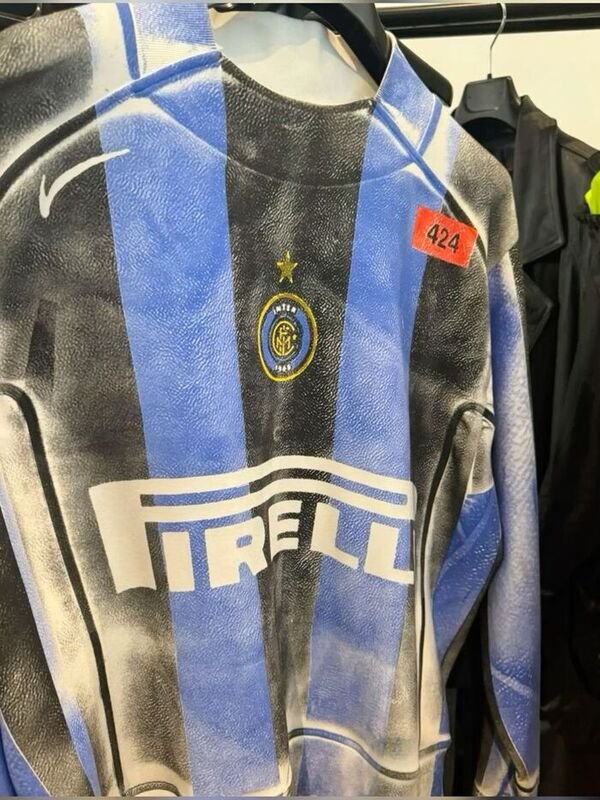
Every season starts with the same energy:
new kits, fresh designs, and colors so bold they almost feel electric under the lights. But fast forward a few months, and something disappointing starts to show. The once vibrant sublimation jersey looks dull, the numbers look washed, and the entire uniform has lost its edge. What was supposed to be the team’s identity on the field now feels like a faded version of itself.
It raises the question every team eventually asks: why do sublimation jerseys fade so quickly, and how can you stop it from happening?
The truth is sublimation is a powerful technology when it’s done right. The process literally infuses ink into the polyester fibers, making designs lightweight and breathable. In theory, sublimation prints should last years. But in practice, they often don’t. And that’s where most people miss the bigger picture.
The first mistake starts with fabric. Not all polyester is the same, and yet it gets treated like it is. Cheap jerseys often use thin, low density polyester that simply can’t hold color for long. On day one, it looks fine.
After a few games, a few washes, and hours under the sun, the ink molecules begin to escape. The result? Jerseys that look older than the season itself. High-quality polyester is engineered differently with tighter weaves, UV-resistant coatings, and a surface that locks color inside rather than letting it bleed out. The teams who understand this difference already play a longer game.
Then comes ink quality. This is where the “fast fade” happens more often than not. Sublimation inks vary massively in strength. Some are made to last hundreds of washes, others start breaking down after ten.
Knock-off inks look brilliant fresh out of the press, but they don’t stand up to sweat, heat, or detergent. Professional-grade sublimation inks cost more, but they’re designed for resilience. That extra investment is the line between a jersey that fades in one season and one that looks new even after years.
And while fabric and ink matter, the process that fuses them is just as critical. Sublimation depends on precise heat, time, and pressure. Get any of these slightly wrong: too hot, too cold, too fast, too uneven and the ink doesn’t fully bond.
It sits shallow inside the fibers, looking good at first but ready to wash out faster than expected. Inexperienced manufacturers often overlook this, and the jersey pays the price later.
Of course, not everything comes down to production. Care matters too, and most teams unintentionally shorten the life of their uniforms. Hot washes, bleach, high-heat dryers all of them are enemies of sublimation.
Sportswear isn’t regular laundry. It needs cold washes, gentle detergents, and air drying if you want it to last. Simple rules, but rarely followed, and they often make the difference between one-season gear and multi-season pride.
Even nature plays its part. UV rays and sweat are a jersey’s silent enemies. Sunlight gradually weakens color molecules, especially when non-UV inks are used. Sweat, with its natural acidity, speeds up the breakdown too.
Teams that train outdoors daily feel this harder than most. That’s why advanced sublimation inks with UV resistance are becoming the standard in professional sportswear.
And here’s the part most teams overlook: the economics. Chasing the cheapest jerseys feels smart at the moment after all, budgets are tight, and every team wants to save money. But the reality is brutal. Low-cost jerseys often last just one season, forcing another round of purchases. Over time, that “cheap” decision costs more than investing in quality the first time.
Pro teams figured this out years ago, and that’s why they partner with a sublimation jersey manufacturer in Pakistan who can balance affordability with durability. It’s not just about avoiding faded jerseys it’s about protecting team identity, saving money, and playing smarter.
The fix, fortunately, isn’t complicated. It starts with premium polyester built for sublimation. It continues with UV-resistant inks that hold color under stress.
It requires expert heat application during production and the discipline to follow proper care after. When all these pieces align, jerseys don’t just last a season they thrive across many.
And make no mistake, this isn’t just about looks. Jerseys carry meaning. They’re a team’s badge of honor, the symbol of unity, the fabric of memory. When they fade, morale takes a hit. When they last, pride lasts with them. That’s why the smartest teams see uniforms not as disposable gear but as long-term investments.
Technology is already pushing this further. New eco-friendly inks are being developed with longer lifespans. Polyester blends are being engineered to be lighter and stronger, locking in designs even tighter.
Leading custom sportswear manufacturers in Sialkot are at the forefront of these innovations, producing sublimation kits that can withstand relentless seasons without losing their shine. What used to feel like a one-season product is now evolving into a multi-year standard.
So the next time you pull out a jersey that’s lost its spark too soon, don’t chalk it up to bad luck. It’s not fate. It’s fabric, ink, process, and care. It’s the difference between short-term thinking and long-term commitment. And most importantly, it’s a reminder: your team’s identity deserves better than colors that disappear after a few washes.
In sports, moments are fleeting. But your team’s pride doesn’t have to be. When sublimation is done right, the colors stay as strong as the spirit they represent.